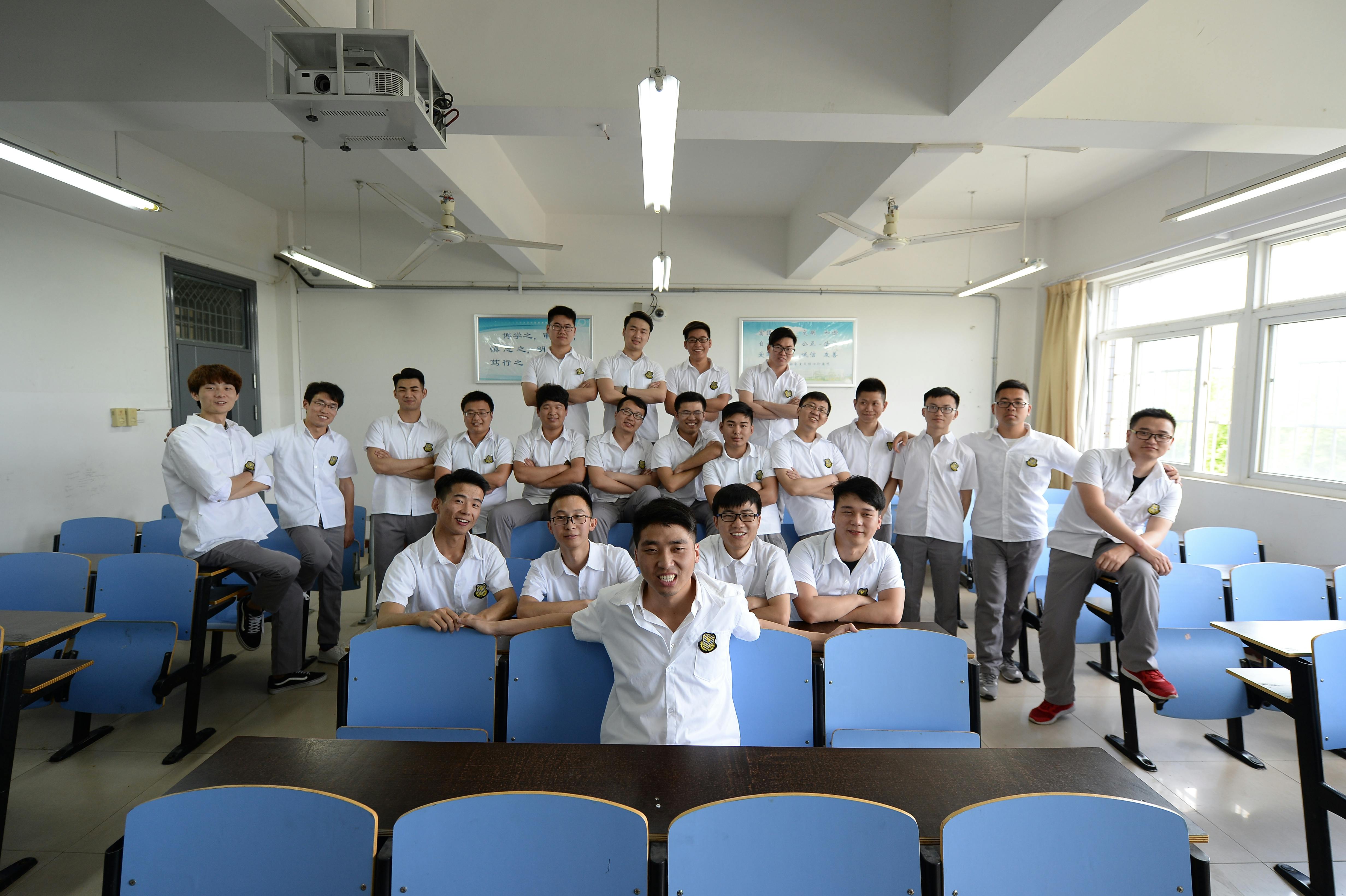
High school education serves as a pivotal bridge between childhood learning and adult responsibilities. It equips young people with essential academic knowledge, critical thinking abilities, and social skills that together lay the groundwork for future personal and professional achievements. By providing a structured environment where students can explore diverse subjects, develop discipline, and form lasting relationships, high school becomes more than a requirement, it becomes a catalyst for lifelong success.
Foundational Academic Skills
The curriculum in high school introduces core subjects such as mathematics, science, language arts, and social studies. Mastery of these areas is crucial for higher education and many career paths. In addition, exposure to technology and digital literacy prepares students for an increasingly connected world. For a deeper look at curriculum standards, Read more about this topic.
Key competencies gained
- Analytical reasoning and problem-solving
- Effective written and verbal communication
- Basic research and information-evaluation techniques
- Numeracy and data interpretation skills
Career Opportunities and Economic Impact
Graduates with a high school diploma have significantly higher employment rates and earning potential compared to those without one. Employers often view the diploma as evidence of reliability, basic skill proficiency, and the ability to complete long-term projects. Detailed statistics on employment outcomes can be found by Learn more in this detailed guide.
How high school influences career trajectories
- Provides eligibility for post-secondary education and vocational training
- Offers career counseling and internship opportunities
- Facilitates networking through teachers, mentors, and peer groups
- Introduces students to a variety of professions via electives and clubs
Social Development and Personal Growth
Beyond academics, high school is a critical arena for developing interpersonal skills and a sense of identity. Participation in extracurricular activities, student government, and community service fosters leadership, teamwork, and civic responsibility. These experiences shape character and confidence, qualities that are valuable in any future endeavor. For additional insights on student engagement, Explore further insights here.
Areas of personal development
- Time management and self-discipline
- Conflict resolution and empathy
- Goal setting and perseverance
- Adaptability to diverse environments
Long-Term Societal Benefits
A well-educated populace contributes to reduced crime rates, higher civic participation, and overall economic stability. Communities with higher high school graduation rates experience stronger local economies and better public health outcomes. The ripple effect of each graduate extends beyond the individual to families and neighborhoods. To understand the broader impact, Find additional information here.
Conclusion
The importance of high school education cannot be overstated. It provides essential academic foundations, opens doors to career opportunities, nurtures social and personal growth, and yields lasting benefits for society at large. Investing time and resources in this stage of learning equips young people with the tools they need to navigate an ever-changing world and achieve lasting success. Continued support for quality secondary education remains a cornerstone for building resilient, prosperous communities.