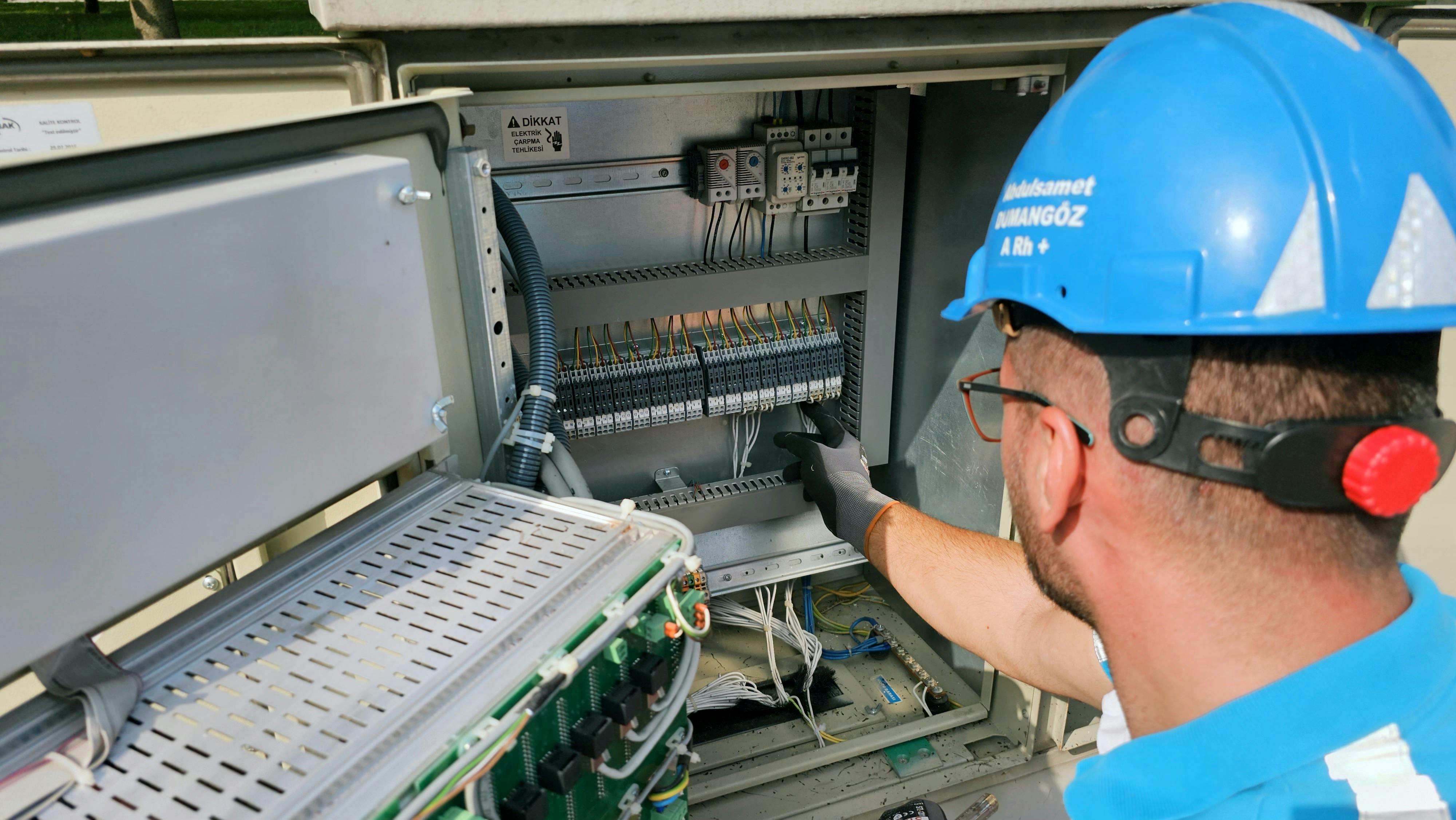
When a property requires reliable electrical work, selecting a qualified contractor is essential for safety, compliance, and long-term performance. In Brisbane, a range of licensed professionals offer services that span from routine maintenance to complex installations. Understanding the key factors that differentiate a top-rated electrical contractor helps property owners, developers, and facility managers make informed decisions that protect both assets and occupants.
Core Services Offered by Leading Electrical Contractors
High-quality electrical contractors typically provide a comprehensive suite of services designed to meet the diverse needs of residential, commercial, and industrial clients. The most common offerings include:
- Electrical system design and planning
- New construction wiring and fit-outs
- Power distribution upgrades and panel replacements
- Lighting design, installation, and retro-fitting
- Emergency fault diagnosis and repairs
- Compliance inspections and certification
- Renewable energy integration, such as solar PV and battery storage
For a deeper dive into the range of services available, Read more about this topic.
Key Qualifications and Certifications
Choosing a contractor with the appropriate credentials ensures that work complies with Australian standards and local regulations. Important qualifications to verify include:
- Valid electrical licence issued by the Queensland Building and Construction Commission (QBCC)
- Membership in recognized industry bodies (e.g., Master Electricians Australia)
- Specialist certifications for high-risk tasks such as switchboard upgrades or data cabling
- Evidence of ongoing professional development and training
These credentials not only demonstrate technical competence but also provide legal protection for the client. Learn more in this detailed guide.
Safety Protocols and Compliance
Electrical work presents inherent hazards, making rigorous safety practices a non-negotiable requirement. Top-rated contractors implement the following safety measures:
- Adherence to the Australian/New Zealand Standard AS/NZS 3000 (the Wiring Rules)
- Use of personal protective equipment (PPE) and lock-out/tag-out procedures
- Regular safety audits and risk assessments on site
- Documentation of all work performed, including test results and certificates of compliance
Understanding how a contractor manages safety can be critical when planning large-scale projects. Explore further insights here.
Regulatory Inspections
After completion of major electrical installations, an independent inspection is often required to verify compliance. A reputable contractor will coordinate with accredited inspectors and provide the necessary paperwork for council approvals.
Choosing the Right Contractor for Specific Needs
Different projects demand distinct expertise. Below are common scenarios and the attributes to prioritize when selecting a contractor.
Residential Renovations
- Experience with legacy wiring systems (e.g., cloth-covered cables)
- Ability to integrate smart home technologies
- Transparent quoting process with itemised labour and material costs
Commercial Fit-Outs
- Proficiency in high-capacity power distribution and data networking
- Knowledge of building management systems (BMS) and energy efficiency standards
- Capacity to work within tight construction schedules and coordinate with other trades
Industrial Installations
- Specialist knowledge of heavy-duty equipment, motor control centres, and PLC wiring
- Compliance with workplace health and safety (WHS) regulations specific to industrial sites
- Capability to provide ongoing maintenance contracts and rapid response services
Matching the contractor’s skill set to the project scope reduces risk and ensures timely delivery. Find additional information here.
Evaluating Cost Structures and Transparency
Pricing in the electrical industry can vary based on labor rates, material costs, and the complexity of the job. To avoid unexpected expenses, consider the following practices:
- Request a detailed, written quotation that breaks down each task
- Confirm whether travel fees, after-hours charges, or permit costs are included
- Ask about warranty terms for both labour and installed components
- Compare multiple quotes while keeping quality and compliance as primary criteria
Transparent cost communication builds trust and facilitates smoother project management. Read more about this topic.
Future-Proofing Electrical Systems
Modern buildings increasingly rely on technology that demands flexible and scalable electrical infrastructure. Contractors who stay abreast of emerging trends can help future-proof installations through:
- Designing conduit pathways that accommodate future upgrades
- Integrating energy-monitoring solutions for real-time consumption data
- Providing guidance on electric vehicle (EV) charging station installation
- Advising on the use of modular switchboards and smart protection devices
Investing in forward-looking solutions can reduce long-term renovation costs and improve sustainability. Learn more in this detailed guide.
Conclusion
Selecting a top-rated electrical contractor in Brisbane involves assessing qualifications, safety practices, service breadth, and cost transparency. By aligning contractor expertise with the specific requirements of residential, commercial, or industrial projects, stakeholders can ensure compliance, safety, and reliability. Leveraging reputable resources and staying informed about industry standards further supports successful outcomes for any electrical undertaking.