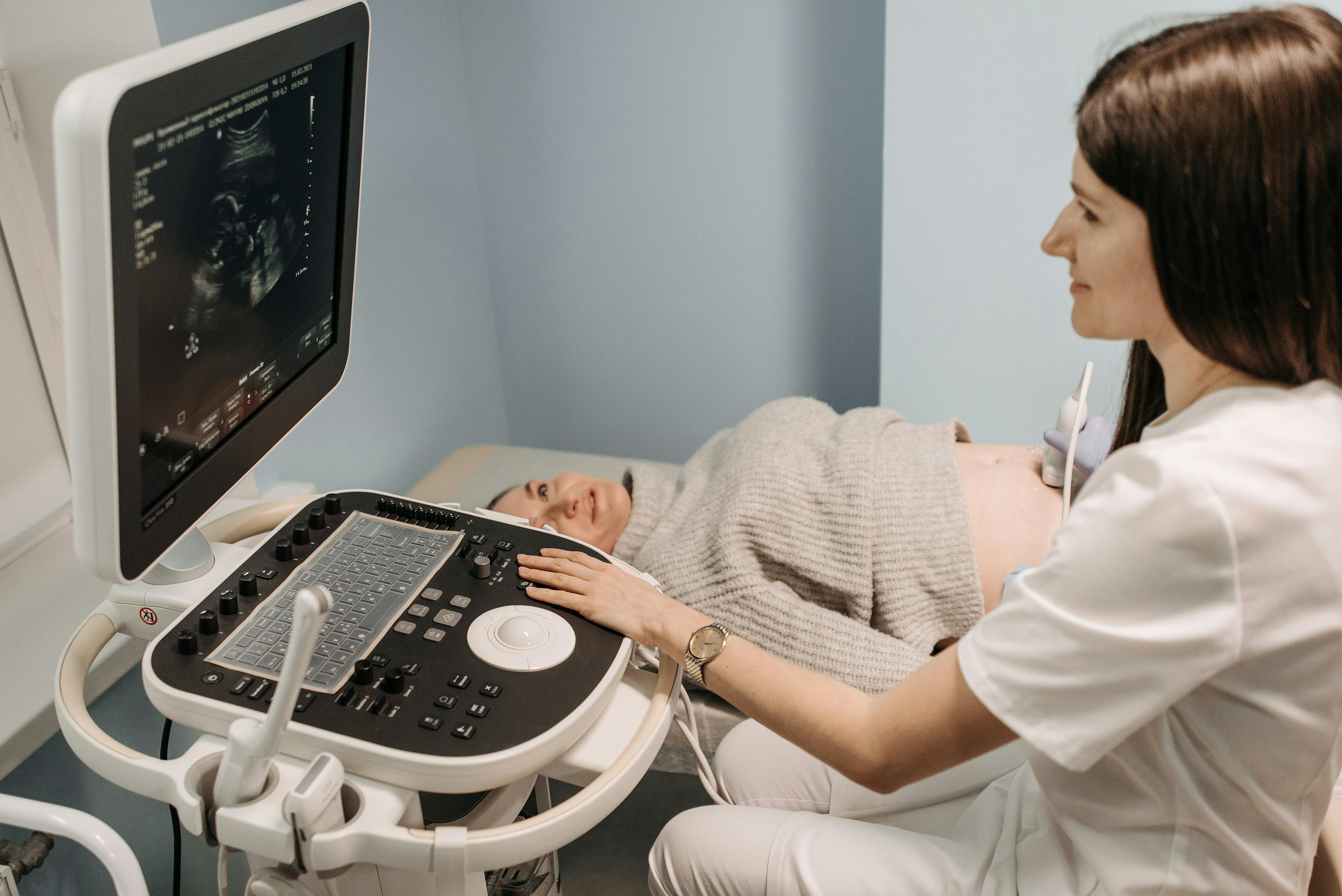
Infertility affects millions of women worldwide and often requires a multidisciplinary approach that blends medical expertise, advanced technology, and personalized care. Understanding the range of services available, from initial assessment to cutting-edge assisted reproductive techniques, helps individuals make informed decisions and improves the likelihood of a successful pregnancy. This article outlines the key components of modern fertility treatment, the diagnostic process, therapeutic options, and supportive services that together form a comprehensive care model.
Understanding Fertility Challenges
Common Causes
- Ovulatory disorders such as polycystic ovary syndrome (PCOS)
- Tubal factor infertility caused by blockage or damage
- Uterine abnormalities, including fibroids and congenital anomalies
- Endocrine imbalances, for example thyroid dysfunction
- Age-related decline in ovarian reserve
Diagnostic Approaches
Accurate diagnosis is the foundation of any treatment plan. Typical evaluations include:
- Hormonal profiling (FSH, LH, estradiol, AMH)
- Transvaginal ultrasound to assess ovarian morphology
- Hysterosalpingography or saline infusion sonography to examine tubal patency
- Genetic screening when recurrent miscarriage is a concern
For a deeper dive into diagnostic protocols, Read more about this topic.
Overview of Treatment Options
Medication Therapy
First-line pharmacologic interventions aim to stimulate ovulation or correct hormonal imbalances. Common agents include:
- Clomiphene citrate – oral ovulation inducer
- Letrozole – aromatase inhibitor used in PCOS
- Gonadotropins – injectable FSH and LH for controlled ovarian stimulation
Details on medication protocols can be found in the Learn more in this detailed guide.
Assisted Reproductive Technologies (ART)
Intrauterine Insemination (IUI)
IUI involves placing washed, concentrated sperm directly into the uterine cavity during the ovulatory window. It is often combined with ovulation-inducing drugs and is most effective for mild male factor infertility or unexplained infertility.
In Vitro Fertilization (IVF)
IVF remains the most widely used ART. The process includes ovarian stimulation, egg retrieval, fertilization in a laboratory, and embryo transfer. Advances such as pre-implantation genetic testing (PGT) and vitrification have increased success rates.
For a comprehensive look at IVF cycles, Explore further insights here.
Surgical Interventions
- Laparoscopic removal of endometriosis implants
- Hysteroscopic myomectomy to excise submucosal fibroids
- Tubal reconstruction (recanalization) for selected cases
These procedures aim to restore normal anatomy and improve natural conception chances. More information is available at Find additional information here.
Personalized Care Pathways
Comprehensive Evaluation
Each patient receives a thorough medical history, physical examination, and targeted investigations. The goal is to identify modifiable factors and tailor interventions accordingly.
Tailored Treatment Plans
Based on diagnostic findings, clinicians develop individualized protocols that may combine medication, ART, and lifestyle modifications. Ongoing monitoring ensures adjustments are made promptly to optimize outcomes.
Supportive Services
- Psychological Counseling: Addresses emotional stress, anxiety, and relationship dynamics.
- Nutritional Guidance: Emphasizes a balanced diet rich in antioxidants, omega-3 fatty acids, and micronutrients that support reproductive health.
- Lifestyle Coaching: Encourages regular exercise, smoking cessation, and moderated alcohol consumption.
Preparing for Treatment
Pre-treatment Testing
Before initiating any therapy, patients undergo baseline labs, infectious disease screening, and, when appropriate, semen analysis of the partner.
Emotional Preparation
Understanding the timeline, potential side effects, and success probabilities helps set realistic expectations. Support groups and counseling can provide valuable coping mechanisms throughout the journey.
Success Factors and Considerations
- Age: Younger women generally have higher success rates across all treatment modalities.
- Underlying Health Conditions: Proper management of diabetes, thyroid disease, or autoimmune disorders improves outcomes.
- Treatment Adherence: Following medication schedules, attending monitoring appointments, and maintaining recommended lifestyle changes are critical.
- Quality of Embryology Lab: While not a brand mention, the expertise of the laboratory team influences IVF success.
Conclusion
Comprehensive fertility treatment for women integrates precise diagnostics, a spectrum of therapeutic options, and holistic supportive services. By aligning medical interventions with individualized care plans and addressing emotional and lifestyle factors, the likelihood of achieving a successful pregnancy can be maximized. For readers seeking further depth on any of the topics discussed, the referenced resources provide extensive, evidence-based information.