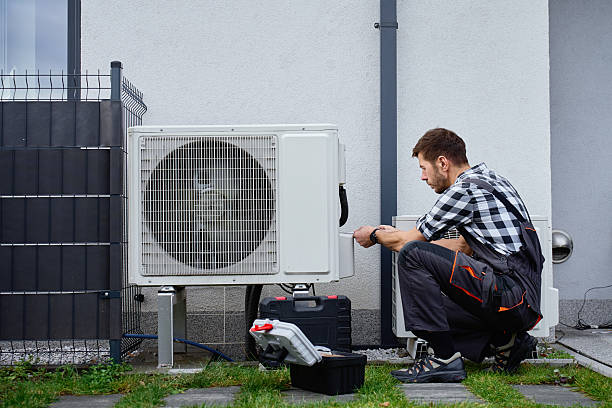
Regular upkeep is the single most effective strategy for preserving the efficiency and longevity of any heating system. When a furnace or heat pump operates under optimal conditions, homeowners experience consistent comfort, lower energy bills, and fewer unexpected breakdowns. Yet many property owners overlook the importance of scheduled heater maintenance services, assuming that modern equipment can run indefinitely without professional attention. In reality, even the most robust units benefit from routine inspection, cleaning, and calibration. This article outlines the essential components of a comprehensive maintenance program, explains why proactive care outweighs reactive repairs, and offers practical tips for extending the life of residential heating equipment.
Why Preventive Maintenance Matters
Preventive maintenance is not merely a checklist; it is a systematic approach that addresses wear and tear before it escalates into costly failures. The key advantages include:
- Improved Efficiency: Clean coils, properly calibrated burners, and unobstructed airflow reduce the amount of fuel needed to maintain desired indoor temperatures.
- Extended Equipment Life: Replacing worn components early prevents stress on critical parts, effectively adding years to the system’s service life.
- Enhanced Safety: Regular inspections identify carbon monoxide leaks, cracked heat exchangers, and electrical hazards before they endanger occupants.
- Predictable Costs: Scheduled service contracts spread out expenses and eliminate surprise repair bills during peak heating season.
Core Elements of a Professional Maintenance Visit
1. Visual Inspection and Diagnostic Testing
Technicians begin by examining the unit’s exterior and interior for signs of corrosion, loose connections, or debris accumulation. Diagnostic tools measure pressure, temperature differentials, and airflow rates to verify that the system operates within manufacturer specifications.
2. Cleaning and Component Care
A thorough cleaning routine includes:
- Removing dust and lint from air filters, coils, and blower wheels.
- Vacuuming the furnace’s combustion chamber and heat exchanger.
- Clearing condensate drains to prevent water backup and mold growth.
3. Mechanical Adjustments
Adjustments may involve tightening fan belts, calibrating gas pressure, and verifying that safety switches engage correctly. Proper alignment ensures the system runs smoothly and quietly.
4. System Performance Verification
After cleaning and adjustments, technicians conduct a start-up sequence, monitoring flame stability, thermostat response, and overall temperature rise. This step confirms that the unit will deliver reliable heat throughout the season.
Scheduling Frequency and Seasonal Considerations
While the exact interval can vary based on usage patterns, most experts recommend a full service at least once a year, ideally before the heating season begins. For homes with older equipment or high-usage environments, a semi-annual inspection, once in spring and once in fall, offers additional protection.
Choosing the Right Service Provider
Selecting a qualified heating installation service or maintenance contractor involves more than checking a box for licensing. Consider the following criteria:
- Certification from recognized industry bodies (e.g., NATE, ACCA).
- Experience with the specific make and model of the heating system.
- Transparent pricing and detailed service reports.
- Positive client testimonials that reflect consistent professionalism.
Companies that also specialize in residential heating replacement often possess a deeper understanding of system lifecycle, enabling them to recommend timely upgrades when repair costs approach the price of a new, more efficient unit.
Cost-Benefit Analysis: Maintenance vs. Replacement
When a furnace reaches the 15- to 20-year mark, homeowners face a decision: continue investing in maintenance or replace the unit entirely. A simple cost-benefit framework can guide the choice:
- Calculate annual maintenance expenses (including parts and labor).
- Estimate the incremental energy savings from a newer, higher-efficiency model.
- Factor in potential rebates or tax credits for ENERGY STAR-rated equipment.
- Compare the total five-year cost of maintaining the existing system against the upfront purchase price plus installation fees from a reputable heating system installation company.
In many cases, a well-maintained older system can remain cost-effective for several more years, especially when the homeowner values the reliability of an already-familiar unit. However, if efficiency gaps widen or repair frequency spikes, replacement becomes the financially smarter path.
DIY Tips for Homeowners Between Professional Visits
While professional service is irreplaceable, homeowners can perform simple tasks to keep their system in good shape:
- Replace or clean air filters every 1-3 months, depending on usage and indoor air quality.
- Check thermostat settings and calibrate if the room temperature deviates from the displayed value.
- Inspect the outdoor unit for leaves, snow, or debris that could obstruct airflow.
- Listen for unusual noises such as rattling or squealing, which may indicate loose components.
Conclusion
Extending the life of a heating system hinges on a balanced blend of professional expertise and proactive homeowner habits. By engaging qualified heater maintenance services, adhering to a regular service schedule, and staying alert to early warning signs, property owners can safeguard comfort, control costs, and avoid the inconvenience of unexpected breakdowns. For those evaluating long-term solutions, partnering with a trusted White Mountain provider ensures access to both meticulous maintenance and knowledgeable guidance on when a replacement becomes the most advantageous option.