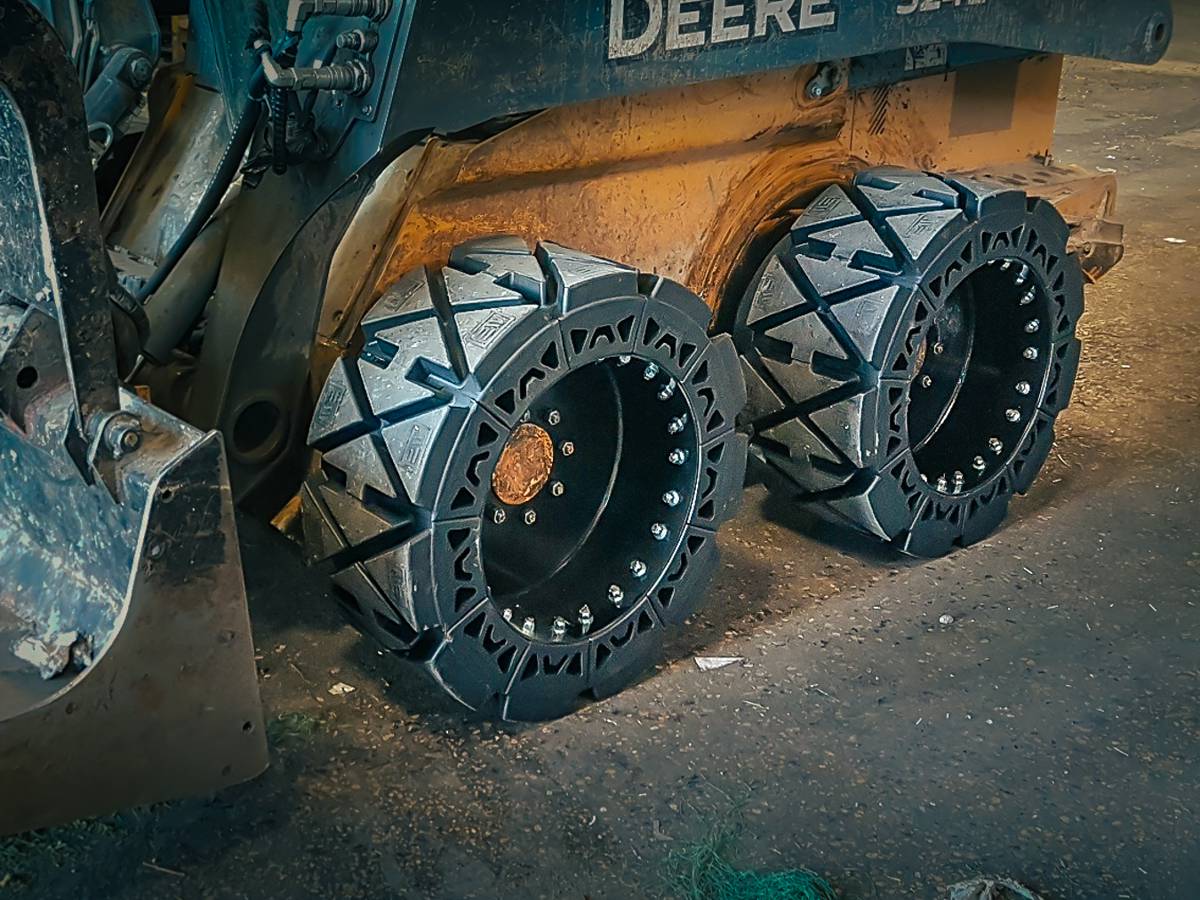
Skid steers are versatile machines widely used in construction, landscaping, and agriculture, renowned for their agility and compact size. However, to maximize their potential and ensure efficient operation, choosing the right tires is crucial. As a skid steer owner or operator, you must consider durability, performance, and cost-effectiveness. One excellent option to consider is the 10×16.5 solid tires. These tires not only enhance the efficiency of your skid steer but also offer a range of other benefits that can significantly improve your operational outcomes.
Benefits of 10×16.5 Solid Tires
10×16.5 solid tires are a popular choice among skid steer operators for several compelling reasons:
- Durability: Solid tires are constructed to withstand harsh conditions and rough terrains, ensuring a longer lifespan compared to traditional pneumatic tires.
- Puncture Resistance: These tires eliminate the risk of punctures and flats, reducing downtime and maintenance costs.
- Consistent Performance: Solid tires maintain consistent ground contact, enhancing stability and traction in various environments.
- Load Capacity: With their robust construction, solid tires can support heavier loads, optimizing the performance of the skid steer.
For more information on the advantages of solid tires, explore further insights here.
Considerations When Upgrading to Solid Tires
Before making the switch to 10×16.5 solid tires, there are several factors to consider to ensure they meet your specific needs:
Application Environment
The environment in which your skid steer operates plays a crucial role in tire selection. Solid tires are ideal for:
- Construction sites with debris and sharp objects.
- Landscaping projects with uneven terrains.
- Agricultural fields where stability is essential.
If your operations primarily occur on paved surfaces, you might want to learn more in this detailed guide about different tire options suitable for such environments.
Cost vs. Longevity
While solid tires may have a higher upfront cost compared to pneumatic tires, their longevity and durability can lead to cost savings over time. Consider the following:
- Reduced maintenance costs due to fewer repairs and replacements.
- Minimized downtime, leading to increased productivity.
- Long-term investment in tire performance and reliability.
To evaluate whether solid tires are a cost-effective choice for your skid steer, find additional information here.
Installation and Compatibility
Ensure that your skid steer is compatible with solid tires, and consider professional installation for optimal results. Solid tires are heavier than pneumatic tires, and improper installation may affect the machine’s performance.
For further guidance on ensuring compatibility and proper installation, read more about this topic.
Conclusion
Upgrading your skid steer with 10×16.5 solid tires can significantly enhance its performance, reduce downtime, and improve overall productivity. By understanding the benefits, considerations, and application environments for these tires, you can make an informed decision that aligns with your operational needs. As you explore tire options, consider the long-term value and reliability that solid tires offer. For a deeper dive into this topic, explore further insights here.