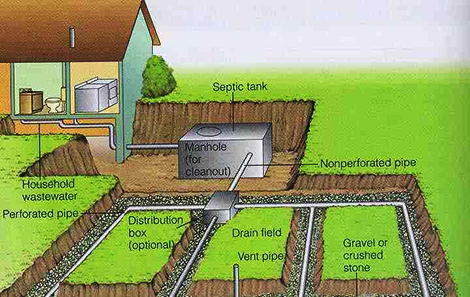
Septic systems are a crucial component of many residential properties, providing an efficient and environmentally friendly method for managing wastewater. Proper maintenance of a septic sewer system is essential to ensure its longevity and functionality. Without regular upkeep, these systems can experience failures that lead to costly repairs and potential health hazards. This article provides top tips for maintaining a septic sewer system, ensuring optimal performance and peace of mind for homeowners.
Regular Inspections and Pumping
Routine inspections and pumping are fundamental aspects of septic system maintenance. These practices help in identifying potential problems before they escalate. Homeowners should:
- Schedule a professional inspection every 1 to 3 years.
- Ensure the septic tank is pumped every 3 to 5 years, depending on household size and tank capacity.
- Discover expert strategies here for routine maintenance.
Regular inspections help in detecting issues such as leaks or blockages, while pumping removes excess solids that accumulate over time, preventing system overload.
Mindful Water Usage
Efficient water usage plays a significant role in maintaining a healthy septic system. Excess water can overload the system, leading to potential failures. Consider the following:
- Fix leaks in faucets and toilets promptly.
- Install water-saving fixtures and appliances.
- Space out laundry and dishwasher loads to minimize water surge.
- Explore advanced guides and tips on water conservation.
By reducing water usage, homeowners can significantly alleviate the strain on their septic system, extending its lifespan and efficiency.
Proper Waste Disposal
What goes down the drain can have a lasting impact on the septic system. Improper disposal of waste can lead to blockages and system failures. To avoid issues:
- Avoid flushing non-biodegradable items, such as wipes and feminine hygiene products.
- Refrain from pouring grease or oil down the drain.
- Dispose of household chemicals and medications properly.
- Find out more about this approach to waste management.
Educating household members on what should and should not be flushed or drained can prevent many common septic system problems.
Protect the Drainfield
The drainfield is a vital component of the septic system, responsible for filtering and dispersing effluent. To maintain its effectiveness:
- Keep vehicles and heavy equipment off the drainfield to prevent soil compaction.
- Plant only grass over and near the drainfield to avoid root intrusion.
- Direct rainwater drainage systems away from the drainfield area.
- Learn about our tailored solutions for protecting the drainfield.
Proper care of the drainfield ensures that it remains functional and prevents costly repairs.
Signs of Trouble
Being aware of warning signs can prevent major septic system issues. Homeowners should watch for symptoms such as:
- Slow draining sinks and toilets.
- Unpleasant odors around the septic tank or drainfield.
- Standing water in the drainfield area.
- Gurgling sounds in the plumbing system.
Addressing these signs promptly can prevent further damage and costly repairs. Explore advanced guides and tips to understand these symptoms better.
In conclusion, effective septic sewer maintenance requires regular inspections, mindful water usage, proper waste disposal, and protection of the drainfield. By following these tips, homeowners can ensure their septic systems operate smoothly for years to come. For more detailed guidance, discover expert strategies here.