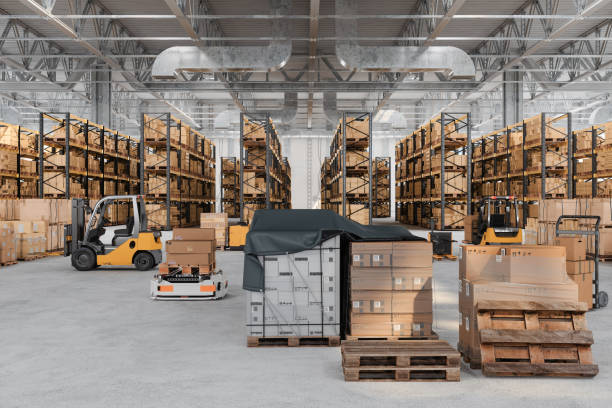
In today’s fast-paced and competitive business environment, optimizing warehouse operations is crucial for maintaining efficiency and reducing costs. One of the key components in achieving this goal is the implementation of an automated warehouse picking system. These systems have revolutionized the way warehouses function by leveraging advanced technologies to streamline operations. The result is a significant reduction in labor costs, improved accuracy, and enhanced productivity.
The Benefits of Automated Warehouse Picking Systems
Automated warehouse picking systems are designed to enhance operational efficiency and accuracy. Here are some of the key benefits:
- Increased Speed: Automated systems facilitate faster picking processes, drastically reducing the time taken to fulfill orders.
- Enhanced Accuracy: Human error is minimized, ensuring the right items are picked and shipped to customers.
- Cost Efficiency: With reduced labor requirements and fewer errors, businesses can save significantly on operational costs.
- Scalability: These systems can be easily scaled to accommodate changes in demand without major overhauls in infrastructure.
Key Components of Automated Warehouse Picking Systems
Robotic Solutions
Robotic technologies are at the forefront of automated warehousing solutions. Robots are employed to pick, pack, and transport goods, which enhances efficiency and reduces the need for manual labor. Robotic warehouse automation not only improves accuracy but also speeds up the entire picking process.
Warehouse Control Systems
A robust warehouse control system is essential for managing and coordinating automated processes. These systems ensure seamless integration between various automated components, such as conveyors, sorters, and robotic arms, leading to enhanced operational efficiency.
Automated Storage Solutions
Automated storage warehouse solutions, such as vertical lift modules and carousels, optimize space utilization and enhance the speed of retrieval processes. This ensures quick access to inventory, reducing the time taken to fulfill orders.
Implementing Automated Warehouse Picking Systems
Implementing automated warehouse systems requires careful planning and execution. Here are some steps involved:
- Assessment and Planning: Conduct a thorough analysis of current warehouse operations to identify areas that benefit from automation.
- Choosing the Right Technology: Select appropriate warehouse automation technologies that align with business needs and objectives.
- Installation and Integration: Engage with experienced warehouse automation companies for seamless warehouse automation installation and integration.
- Training and Support: Ensure staff are adequately trained to operate and maintain the new systems effectively.
The Future of Warehouse Automation
With advancements in technology, the future of warehouse automation looks promising. Innovations such as AI-driven systems and IoT-enabled devices are set to transform the landscape further. These warehouse automation solutions promise even greater efficiencies, driving businesses toward more sustainable and profitable operations.
In conclusion, embracing automated warehouse picking systems is not just a trend but a strategic move towards achieving long-term business success. By leveraging the latest technologies and integrating them into warehouse operations, businesses can maximize efficiency, reduce costs, and stay competitive in the ever-evolving market landscape.