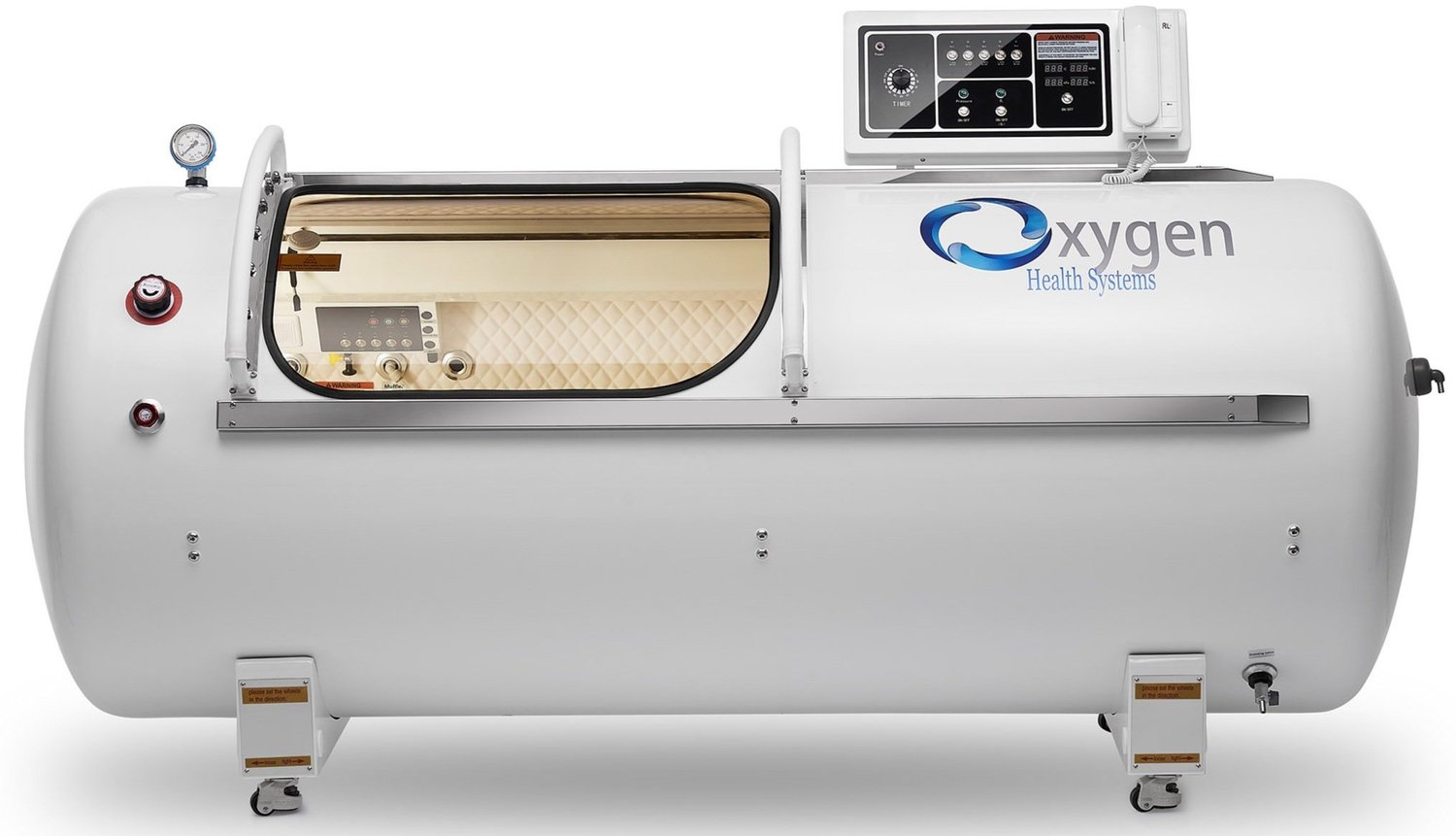
Hyperbaric Oxygen for Lyme Disease: A Promising Treatment Option
Lyme disease is a bacterial infection caused by Borrelia burgdorferi, transmitted primarily through the bite of an infected blacklegged tick. According to the Centers for Disease Control and Prevention (CDC), Lyme disease is the most common tick-borne illness in the United States. While antibiotics are the standard treatment for Lyme disease, some patients may experience persistent symptoms, known as post-treatment Lyme disease syndrome (PTLDS). In recent years, hyperbaric oxygen therapy has emerged as a promising treatment option for Lyme disease, particularly for patients who have not responded to conventional antibiotic therapy.
What is Hyperbaric Oxygen Therapy?
Hyperbaric oxygen therapy involves breathing pure oxygen in a pressurized chamber. The increased oxygen levels in the body can help to kill bacteria, reduce inflammation, and promote healing. This treatment has been used for decades to treat a variety of conditions, including carbon monoxide poisoning, decompression sickness, and wound healing. In the context of Lyme disease, hyperbaric oxygen therapy may help to reduce symptoms such as fatigue, joint pain, and cognitive impairment.
How Does Hyperbaric Oxygen Therapy Work for Lyme Disease?
The exact mechanism by which hyperbaric oxygen therapy works for Lyme disease is not fully understood. However, research suggests that the increased oxygen levels in the body can help to:
- Reduce bacterial load: Hyperbaric oxygen therapy may help to kill Borrelia burgdorferi, the bacteria responsible for Lyme disease.
- Decrease inflammation: Hyperbaric oxygen therapy may help to reduce inflammation, which is a hallmark of Lyme disease.
- Improve energy levels: Hyperbaric oxygen therapy may help to reduce fatigue, a common symptom of Lyme disease.
Benefits of Hyperbaric Oxygen Therapy for Lyme Disease
Hyperbaric oxygen therapy offers several benefits for patients with Lyme disease, including:
- Reduced symptoms: Hyperbaric oxygen therapy may help to reduce symptoms such as joint pain, fatigue, and cognitive impairment.
- Improved quality of life: Hyperbaric oxygen therapy may help to improve overall quality of life for patients with Lyme disease.
- Reduced need for antibiotics: Hyperbaric oxygen therapy may help to reduce the need for antibiotics, which can have side effects and contribute to antibiotic resistance.
Discover Expert Strategies for Managing Lyme Disease
For patients who have not responded to conventional antibiotic therapy, hyperbaric oxygen therapy may be a promising treatment option. However, it is essential to consult with a healthcare professional before starting this treatment. To learn more about hyperbaric oxygen therapy for Lyme disease, Discover expert strategies here and explore advanced guides and tips on managing Lyme disease.
Conclusion
Hyperbaric oxygen therapy is a promising treatment option for Lyme disease, particularly for patients who have not responded to conventional antibiotic therapy. While more research is needed to fully understand the mechanism by which hyperbaric oxygen therapy works for Lyme disease, the available evidence suggests that it may be a valuable adjunct therapy for reducing symptoms and improving quality of life. By consulting with a healthcare professional and exploring advanced guides and tips on managing Lyme disease, patients can take the first step towards finding relief from this debilitating illness. Find out more about this approach and learn how hyperbaric oxygen therapy can help you manage your Lyme disease symptoms.