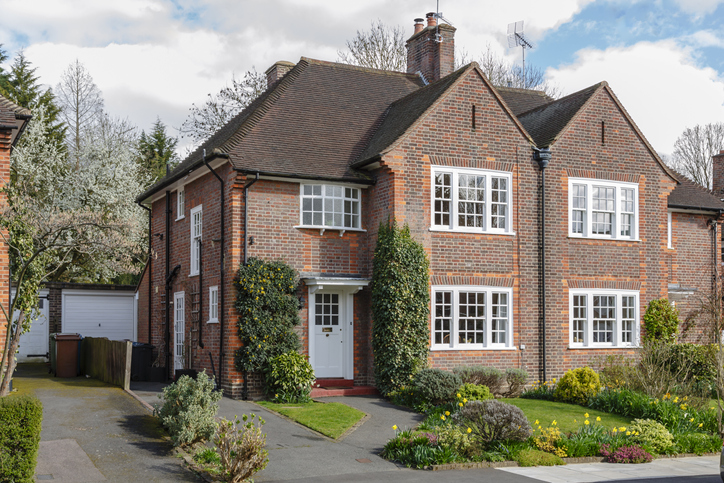
The Level 3 Building Survey, also known as a full structural survey, is a comprehensive evaluation of a property. This detailed inspection is crucial for prospective property buyers, especially those considering older or uniquely constructed buildings. It provides an in-depth understanding of a property’s condition, helping buyers make informed decisions and potentially saving them from unexpected future costs. This type of survey is typically recommended for properties that are older, have undergone significant alterations, or are of non-standard construction. Understanding the process and benefits of a Level 3 Building Survey can demystify this essential service, ensuring that property investments are both wise and secure.
Understanding the Level 3 Building Survey
A level 3 building survey is the most thorough type of survey available. It involves a detailed inspection of all accessible and visible areas of the property, evaluating structural integrity and identifying any potential issues.
Key Features of the Survey
- Extensive Inspection: Covers all accessible parts of the building, including roofs, walls, floors, windows, and doors.
- Detailed Report: Provides a comprehensive report with photographs and detailed descriptions of each element inspected.
- Maintenance Advice: Offers guidance on required maintenance and repairs, including estimated costs.
- Structural Analysis: Identifies any structural problems and their implications on the property.
Why Opt for a Level 3 Building Survey?
Opting for a building survey level 3 is particularly beneficial for certain types of properties. Here”?s why this survey is a wise choice:
Suitable for Older Properties
- In-depth Analysis: Older properties often have hidden issues that require a thorough examination to uncover.
- Preservation Needs: Identifies conservation needs for historic buildings, ensuring they are preserved appropriately.
Essential for Non-Standard Constructions
- Unique Structures: Non-standard constructions can have unique challenges that a detailed survey can address.
- Material Insights: Provides insights into materials used, which is crucial for ensuring durability and safety.
Peace of Mind for Buyers
- Informed Decisions: Helps buyers make informed decisions by providing a clear picture of the property”?s condition.
- Negotiation Tool: Can be used to negotiate the property price based on required repairs and maintenance.
The Process of Conducting a Level 3 Building Survey
Engaging in a level 3 RICS building survey involves a structured process to ensure thoroughness and accuracy.
Initial Consultation
- Understanding Requirements: Discuss the specific needs and concerns with a surveyor.
- Property Review: The surveyor will review any existing documentation and history of the property.
On-Site Inspection
- Comprehensive Examination: The surveyor conducts a detailed on-site examination of all accessible areas.
- Photographic Evidence: Photos are taken to document the current state and any identified issues.
Report Compilation
- Detailed Documentation: The surveyor compiles a detailed report, often exceeding 50 pages, outlining findings.
- Recommendations: The report includes maintenance advice and repair cost estimates.
Post-Survey Consultation
- Clarifications: Opportunity to discuss the report in detail with the surveyor for any clarifications.
- Future Planning: Offers guidance on prioritizing necessary repairs and maintenance tasks.
Conclusion
The Level 3 Building Survey is an invaluable tool for property buyers seeking comprehensive insights into a property”?s condition. By understanding the level 3 building survey process, buyers can make informed decisions, negotiate effectively, and plan for future maintenance, ensuring a sound investment in their property.