Sleep apnea is a serious sleep disorder that affects millions worldwide, characterized by interruptions in breathing during sleep. These interruptions can lead to a wide array of health problems, including cardiovascular issues, daytime fatigue, and more. While Continuous Positive Airway Pressure (CPAP) therapy has been the traditional treatment, many patients find it cumbersome and uncomfortable. Oral Appliance Therapy (OAT) emerges as a viable alternative, offering a comfortable and effective solution for managing sleep apnea. This article delves into the benefits of OAT, providing insights into why it is becoming an increasingly popular choice for individuals seeking relief from sleep apnea.
Understanding Oral Appliance Therapy
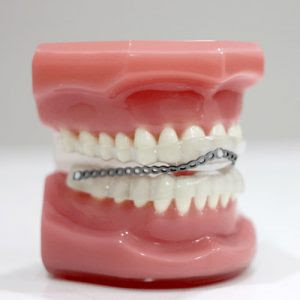
Oral Appliance Therapy involves the use of a custom-fitted mouthpiece that maintains an open, unobstructed airway during sleep. These devices resemble sports mouthguards and work by repositioning the lower jaw, tongue, and soft tissue to prevent airway collapse. For those exploring non-invasive options, OAT presents a promising alternative to CPAP therapy. Discover expert strategies here.
Key Benefits of Oral Appliance Therapy
Comfort and Convenience
One of the most compelling advantages of Oral Appliance Therapy is its comfort and ease of use. Unlike CPAP machines, which require a mask and can be noisy, oral appliances are discreet and silent. This makes them an excellent choice for those who travel frequently or prefer a less intrusive solution.
Improved Compliance
Compliance is a significant factor in the effectiveness of any sleep apnea treatment. Oral appliances are more likely to be used consistently due to their comfort and simplicity. Patients appreciate the ease of use and portability, which contribute to higher adherence rates. Learn about our tailored solutions.
Customized Fit
Each oral appliance is custom-made to fit the unique contours of a patient’s mouth, ensuring maximum comfort and effectiveness. This personalized approach means that the device is specifically designed to address the patient’s particular anatomy and severity of sleep apnea.
Minimal Side Effects
Oral appliances are associated with fewer side effects compared to CPAP therapy. The potential for skin irritation, nasal congestion, and dry mouth is significantly reduced. Patients often experience fewer disruptions and a more restful night’s sleep.
Effectiveness of Oral Appliance Therapy
Studies have shown that Oral Appliance Therapy can effectively reduce the severity of sleep apnea, improving oxygen saturation and reducing daytime sleepiness. While it may not be suitable for all patients, particularly those with severe sleep apnea, it offers significant benefits for those with mild to moderate conditions. Explore advanced guides and tips.
Considerations and Recommendations
Before opting for Oral Appliance Therapy, it is crucial to undergo a comprehensive evaluation by a sleep specialist. This ensures the treatment plan is tailored to the individual’s specific needs and conditions. Patients should consider the following:
- Consult with a dental professional experienced in sleep medicine.
- Regular follow-up appointments to adjust the device as needed.
- Monitoring of sleep patterns to assess effectiveness.
For those looking for a comfortable, effective alternative to CPAP therapy, Oral Appliance Therapy offers a promising solution. Find out more about this approach.
Conclusion
Oral Appliance Therapy has emerged as a valuable tool in the management of sleep apnea, providing a comfortable, effective alternative to traditional treatments. With its high compliance rates, minimal side effects, and ease of use, it is an appealing choice for many patients. As more individuals become aware of this option, it is expected to gain further recognition for its role in improving the quality of sleep and overall health. For tailored guidance and expert advice, consider exploring professional resources and consulting with specialists in sleep medicine.