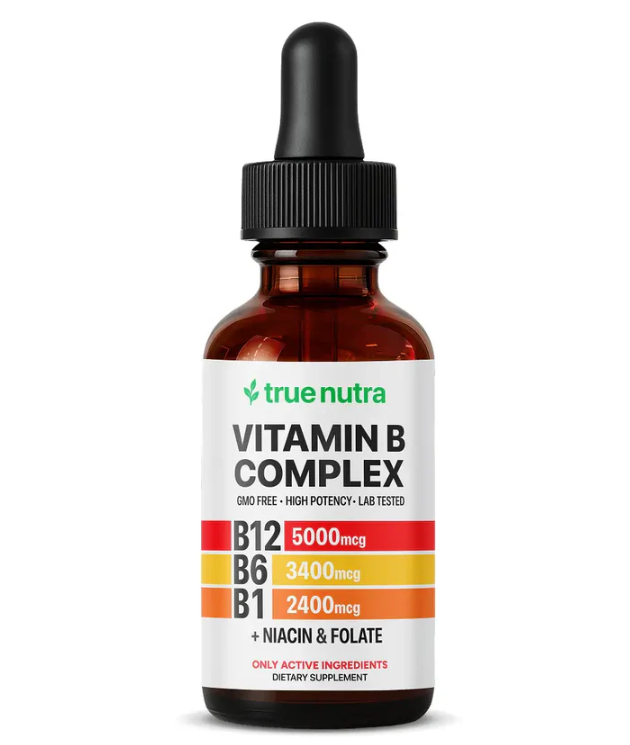
Skin health is a visible indicator of overall well-being, and nutrition plays a pivotal role in maintaining its integrity. Among the essential nutrients, the Vitamin B complex stands out for its multifaceted contributions to skin renewal, barrier function, and protection against oxidative stress. This article explores how each B-vitamin supports dermatological health, the scientific mechanisms behind their actions, and practical ways to incorporate them into a daily regimen.
Understanding the Vitamin B Complex
The B-vitamin family comprises eight water-soluble compounds, B1 (thiamine), B2 (riboflavin), B3 (niacin), B5 (pantothenic acid), B6 (pyridoxine), B7 (biotin), B9 (folate), and B12 (cobalamin). Though each has distinct biochemical roles, they collectively influence cellular metabolism, DNA synthesis, and the production of neurotransmitters. For skin, these processes translate into improved cell turnover, enhanced barrier repair, and reduced inflammation.
Key Functions Relevant to Dermatology
- Energy Production: B-vitamins act as co-enzymes in the mitochondrial pathways that generate ATP, providing the energy needed for rapid skin cell regeneration.
- DNA Synthesis & Repair: Folate (B9) and B12 are crucial for nucleic acid formation, supporting the repair of DNA damage caused by UV exposure.
- Anti-Inflammatory Effects: Niacin (B3) and pantothenic acid (B5) help modulate inflammatory pathways, which can mitigate conditions such as acne and rosacea.
- Barrier Integrity: Biotin (B7) contributes to the production of fatty acids that strengthen the lipid barrier, reducing transepidermal water loss.
How Specific B-Vitamins Benefit the Skin
Vitamin B3 (Niacin)
Niacin is perhaps the most studied B-vitamin for skin health. It is converted into nicotinamide adenine dinucleotide (NAD+), a co-factor essential for DNA repair and cellular resilience. Topical and oral nicotinamide have demonstrated:
- Reduction of hyperpigmentation and uneven tone.
- Improved barrier function and decreased sensitivity.
- Anti-acne properties through regulation of sebum production.
For a comprehensive oral source, Discover expert strategies here.
Vitamin B5 (Pantothenic Acid)
Pantothenic acid is a precursor to coenzyme A, which is vital for fatty acid synthesis. Adequate B5 levels help maintain the skin’s lipid barrier, leading to smoother texture and better hydration. Clinical observations suggest that supplementation can:
- Accelerate wound healing.
- Decrease the severity of eczema flare-ups.
- Support the synthesis of natural moisturizing factors.
Vitamin B7 (Biotin)
Biotin deficiency, though rare, manifests as dry, scaly skin and hair loss. While most individuals obtain sufficient biotin from diet, supplementation may be beneficial for those with metabolic disorders or prolonged antibiotic use. Benefits include:
- Strengthened keratin infrastructure.
- Improved nail hardness.
- Enhanced overall skin elasticity.
Vitamins B9 and B12
Folate and cobalamin are essential for methylation processes that regulate gene expression, including those involved in pigment production. Their deficiency can lead to hyperpigmentation and delayed wound repair. Incorporating these vitamins can:
- Promote even skin tone.
- Support rapid turnover of epidermal cells after injury.
liquid
A balanced liquid formula that delivers all eight B-vitamins can simplify daily intake. Learn about our tailored solutions.
Integrating Vitamin B Complex into a Skincare Routine
While topical applications address surface concerns, systemic supplementation ensures that skin cells receive the nutrients required from within. Here are practical steps for effective integration:
- Choose a High-Quality Source: Look for products that provide a full spectrum of B-vitamins in bioavailable forms. Explore advanced guides and tips.
- Timing: Take the supplement with meals to enhance absorption, especially for B12 which benefits from the presence of intrinsic factor.
- Consistency: Benefits appear after 4-6 weeks of regular use, as skin turnover cycles complete.
- Complement with Diet: Include B-rich foods such as whole grains, legumes, leafy greens, nuts, and lean meats to reinforce supplementation.
- Monitor Skin Response: Track changes in texture, hydration, and blemish frequency to gauge effectiveness.
Potential Side Effects and Safety Considerations
Vitamin B complex is generally safe due to its water-soluble nature, which allows excess amounts to be excreted. However, extremely high doses of certain B-vitamins may cause:
- Niacin: Flushing or itching.
- Vitamin B6: Nerve tingling when taken in megadoses over long periods.
- Biotin: Interference with certain laboratory tests.
Consulting a healthcare professional before beginning any new supplement regimen is advisable, especially for individuals with underlying medical conditions or those taking prescription medications.
Conclusion
The Vitamin B complex serves as a foundational pillar for healthy, resilient skin. By supporting energy metabolism, DNA repair, barrier function, and anti-inflammatory pathways, these nutrients address both aesthetic concerns and underlying physiological needs. Incorporating a comprehensive B-complex supplement, such as the liquid formulation available at Find out more about this approach., alongside a balanced diet can enhance skin vitality and contribute to a more youthful appearance. As research continues to uncover deeper connections between micronutrients and dermatology, the B-vitamin family remains a reliable, evidence-based ally in the pursuit of optimal skin health.