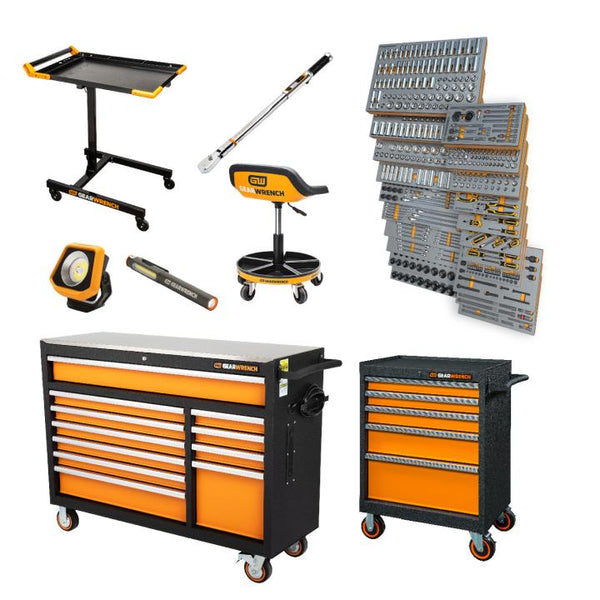
When a workshop needs reliable automotive tools, speed and accuracy become paramount. Selecting the right equipment not only improves efficiency but also reduces downtime, allowing mechanics to focus on what matters most, delivering quality repairs. This guide outlines the essential considerations for purchasing automotive tools, highlights the benefits of fast delivery, and offers practical tips for maintaining a well-stocked workshop without unnecessary delays.
Why Fast Delivery Matters for a Workshop
Time is a critical resource in any automotive service environment. When tools arrive promptly, the following advantages become evident:
- Reduced downtime: Mechanics can start projects immediately, avoiding costly gaps in the workflow.
- Improved inventory management: Smaller, more frequent deliveries keep storage space optimized.
- Enhanced customer satisfaction: Faster service turnaround translates into happier clients and repeat business.
For a deeper look at the impact of rapid logistics on workshop productivity, Read more about this topic.
Key Factors to Consider When Buying Automotive Tools
Tool Quality and Durability
Investing in high-quality tools ensures longevity and consistent performance. Evaluate the following criteria:
- Material composition (e.g., chrome-vanadium steel, hardened alloy)
- Ergonomic design that reduces user fatigue
- Warranty and service support options
Tool Range and Compatibility
A comprehensive tool set should cover the most common repair tasks across different vehicle makes and models. Look for:
- Socket sets with a wide range of drive sizes
- Specialty tools such as torque wrenches, diagnostic scanners, and impact drivers
- Modular systems that allow easy expansion
Cost Efficiency
While premium tools command higher upfront costs, they often deliver better value over time. Balance price against expected lifespan and performance. Bulk purchasing or bundled kits can also provide savings.
Optimizing the Ordering Process
Streamlining how tools are ordered helps maintain a steady supply without overstocking. Consider these best practices:
- Set minimum stock levels: Automated alerts trigger reorders before inventory dips too low.
- Use a centralized procurement platform: Consolidating orders reduces administrative overhead.
- Schedule regular reviews: Quarterly assessments keep the tool list aligned with evolving service needs.
For a step-by-step approach to efficient procurement, Learn more in this detailed guide.
Benefits of Choosing a Reliable Delivery Service
Fast, dependable delivery services bring several operational benefits:
- Predictable lead times: Workshops can plan projects with confidence.
- Real-time tracking: Visibility into shipment status reduces uncertainty.
- Secure handling: Proper packaging protects delicate tools during transit.
Understanding how logistics integrate with workshop workflows can be valuable; Explore further insights here.
Maintaining Tool Performance Over Time
Proper maintenance extends the life of automotive tools and preserves accuracy. Follow these routine practices:
- Clean tools after each use to remove oil, grime, and debris.
- Lubricate moving parts regularly, especially for torque wrenches and ratchets.
- Inspect for wear or damage and replace components promptly.
- Store tools in a dry, organized environment to prevent corrosion.
Additional guidelines on tool care are available at Find additional information here.
Integrating New Tools Into Existing Workflows
When new equipment arrives, a brief integration plan ensures seamless adoption:
- Training sessions: Brief workshops introduce staff to new features and safety protocols.
- Documentation: Keep user manuals and quick-reference guides accessible.
- Trial runs: Test tools on non-critical tasks before full deployment.
Conclusion
Choosing the right automotive tools and securing fast delivery to the workshop door are essential steps toward maintaining an efficient, competitive service environment. By focusing on quality, range, cost efficiency, and reliable logistics, a workshop can minimize downtime, optimize inventory, and deliver consistent, high-quality repairs. Implementing structured ordering processes and regular maintenance further enhances tool longevity and performance. For ongoing updates and resources related to automotive equipment, Read more about this topic.