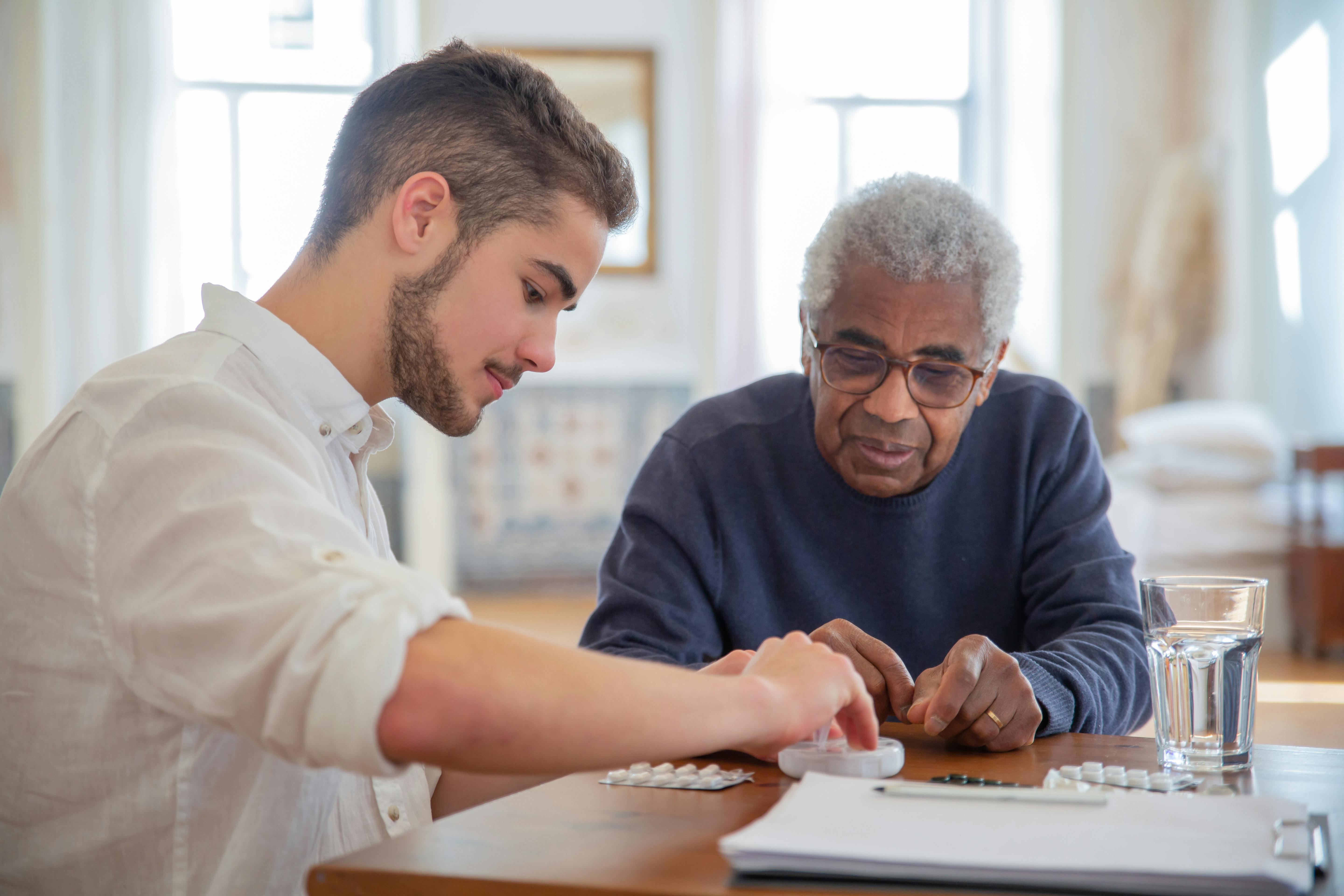
Personal development is a cornerstone of achieving a fulfilling and independent life. For NDIS participants, the journey to personal growth involves accessing tailored support that enhances life skills and promotes self-sufficiency. This article delves into how personal development support can be effectively structured for NDIS participants, ensuring they achieve their goals while maximizing their potential.
The Role of Personal Development in NDIS
Personal development support in the context of the NDIS is designed to empower individuals with disabilities to lead independent and meaningful lives. The support focuses on enhancing various aspects of life, including:
- Improving communication skills
- Developing personal relationships
- Building confidence and self-esteem
- Fostering decision-making and problem-solving abilities
- Enhancing daily living skills
Through structured programs, participants can gain the tools needed to navigate daily challenges and achieve their personal goals. Find out more about this approach to personal development support.
Identifying Personal Development Goals
Collaborative Planning
The first step in personal development support is identifying individual goals. This involves a collaborative planning process where participants, support coordinators, and family members work together to outline aspirations and objectives. Key considerations include:
- Understanding the participant’s current abilities and needs
- Setting realistic and achievable goals
- Creating a personalized plan that aligns with the participant’s interests and aspirations
Through this collaborative approach, participants can set a clear path toward personal growth and development. Learn about our tailored solutions for creating effective personal development plans.
Implementing Personal Development Programs
Customized Skill Development
Once goals are identified, the focus shifts to implementing customized skill development programs. These programs are designed to build competencies in areas such as:
- Self-care and personal hygiene
- Household management
- Community engagement and participation
- Financial literacy
By tailoring these programs to individual needs, participants can achieve incremental milestones that contribute to overall personal growth. Discover expert strategies here for implementing effective development programs.
Monitoring and Evaluation
To ensure the success of personal development programs, continuous monitoring and evaluation are essential. This involves:
- Regular assessments to track progress
- Adjusting programs based on feedback and outcomes
- Celebrating achievements to boost motivation and confidence
Monitoring allows for a dynamic approach to personal development, ensuring that support remains relevant and effective. Explore advanced guides and tips for monitoring personal development progress.
Conclusion
Personal development support for NDIS participants is a vital component of fostering independence and enhancing quality of life. By focusing on individual goals, implementing tailored programs, and using a collaborative approach, participants can unlock their potential and achieve meaningful growth. As personal development continues to evolve, it’s crucial to stay informed about emerging strategies and best practices. Explore advanced guides and tips to stay updated on the latest in personal development support for NDIS participants.