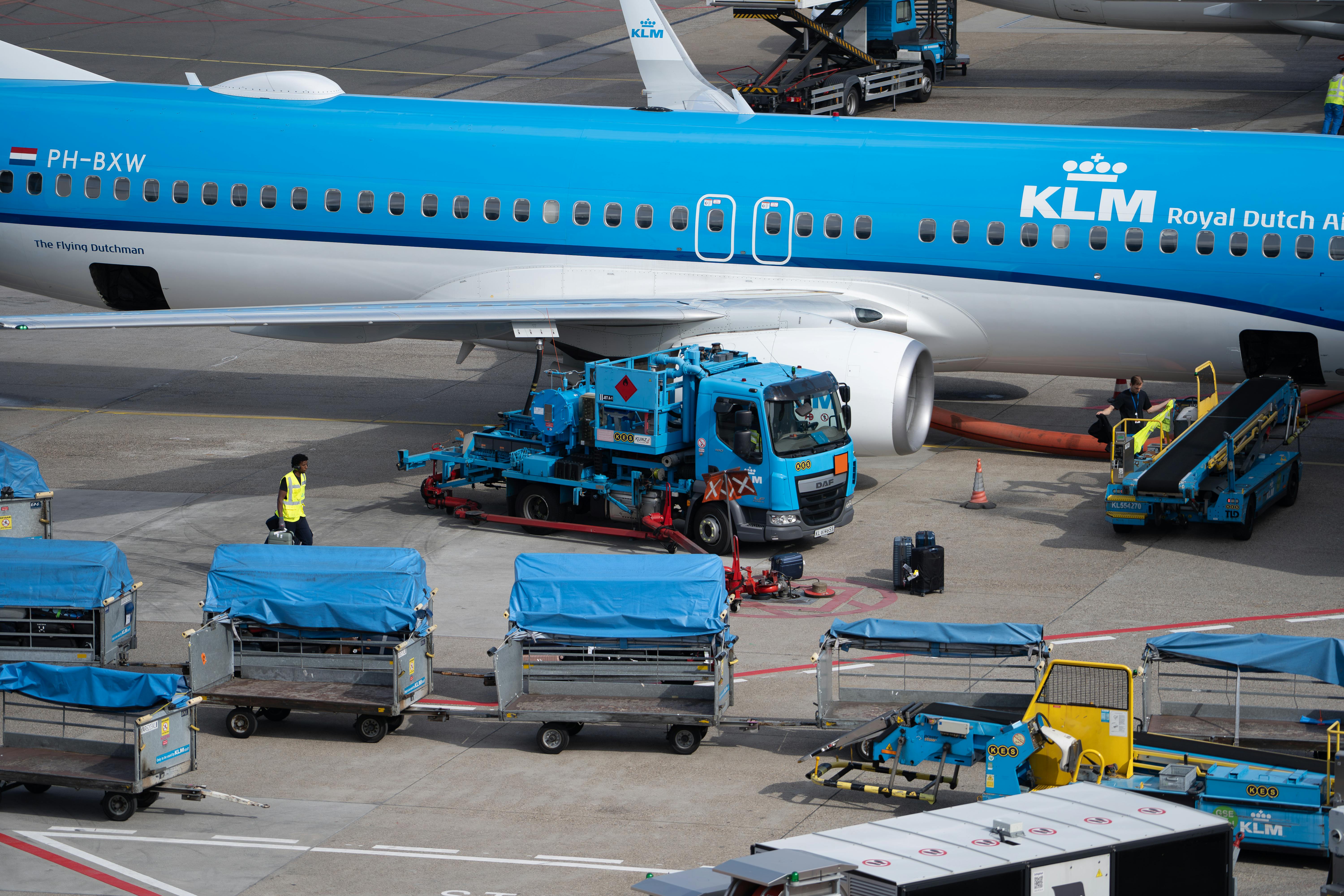
In the dynamic world of aviation, flight operations support plays a pivotal role in ensuring the safety, efficiency, and reliability of air travel. This multifaceted domain encompasses various elements such as flight planning, dispatch, air traffic control coordination, and more. As aviation continues to evolve with technological advancements, the importance of robust flight operations support has only increased. This article delves into the essential components and significance of flight operations support in the aviation industry, highlighting how it contributes to the seamless functioning of airlines and air traffic management.
Core Components of Flight Operations Support
Flight operations support involves a comprehensive range of activities designed to optimize flight performance and safety. Key components include:
- Flight Planning: Meticulous planning of flight routes, considering weather conditions, air traffic, and fuel efficiency.
- Dispatch Services: Providing real-time support to pilots, ensuring compliance with safety protocols and adjusting plans as needed.
- Air Traffic Control Coordination: Close collaboration with air traffic controllers to ensure smooth and conflict-free operations.
- Weather Monitoring: Continuous assessment of meteorological data to anticipate and mitigate weather-related challenges.
For a deeper understanding of these components, read more about this topic.
The Importance of Technology in Flight Operations Support
Technology plays a critical role in enhancing the capabilities of flight operations support. With advancements in digital tools and systems, the aviation industry has seen significant improvements in:
Real-time Communication and Data Sharing
Modern communication systems enable instantaneous data exchange between aircraft, ground stations, and control towers. This facilitates timely decision-making and enhances situational awareness. Learn more in this detailed guide about the impact of technology on aviation communications.
Advanced Navigation Systems
Innovative navigation technologies, such as GPS and satellite-based systems, offer precise positioning and routing information, helping to reduce travel time and fuel consumption. Explore further insights here on how navigation systems revolutionize flight operations.
Challenges in Flight Operations Support
Despite technological advancements, flight operations support faces several challenges that require ongoing attention:
- Cybersecurity Threats: Protecting sensitive data and systems from cyberattacks is a paramount concern.
- Regulatory Compliance: Adhering to the evolving regulatory landscape demands continuous updates and adaptations.
- Environmental Concerns: Balancing operational efficiency with environmental sustainability is a growing challenge.
To understand these challenges better, find additional information here.
Conclusion
Flight operations support is an integral part of the aviation industry, ensuring that flights are conducted safely and efficiently. By leveraging technology and adhering to strict operational standards, the sector can overcome challenges and continue to advance. As the aviation landscape evolves, the role of flight operations support will remain crucial in maintaining the high standards of safety and reliability that travelers expect. For those interested in the future of flight operations, continuous learning and adaptation are key to staying informed and effective in this vital area.